
Episode 98: Who Is the Genius Behind Food Dignity® Art and Institute?
About the Podcast
In this episode, Rebecca Garofano and Clancy dig into the importance of introducing art and novel avenues to learn into the food access, nutrition, and anti-hunger sector. On Rebecca’s platform, @veggiedoodlesoup on Instagram, and in her work with the Food Dignity® Movement, we see her creativity elevate the people being served.


About Rebecca Garofano
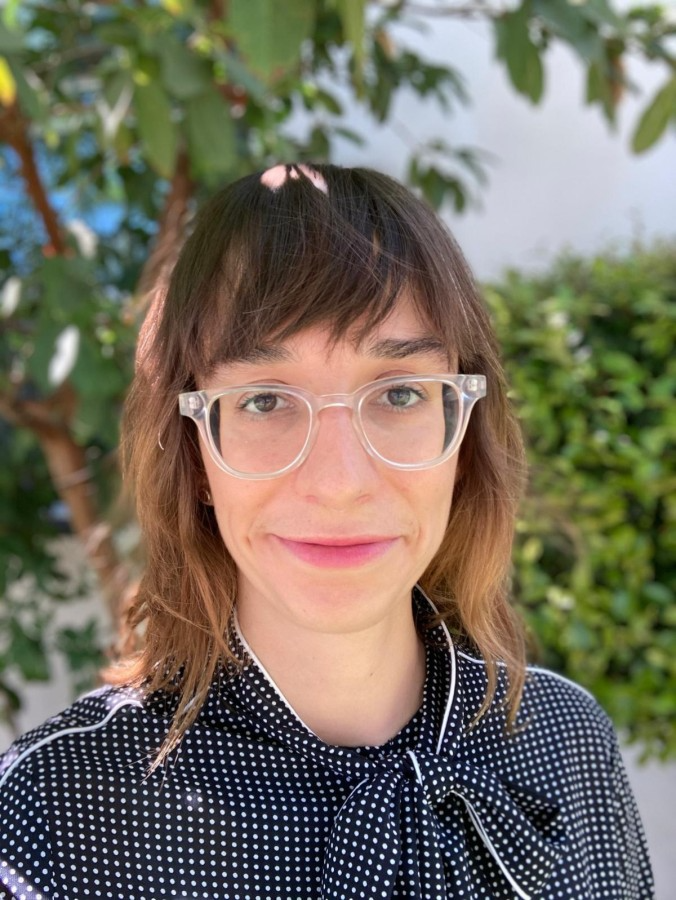
Rebecca Garofano is a graduate student in Nutrition Science at Syracuse University. After working in non-profits that focus on environmental health and agriculture research and education, she became interested in nutrition science.
After working elsewhere, she is grateful to have returned to the city where she grew up, Syracuse, to pursue her graduate degree and raise her two young children. Rebecca is passionate about equitable and resilient regional food systems. Her thesis research is focused on developing ecological measures to promote integrated frameworks for agroecology and human health.
Rebecca started drawing (publishing her work at @veggiedoodlesoup on Instagram and on her website veggiedoodlesoup.com) to process things she was learning and connect with and learn from public health and nutrition professionals that she admires.
Discussion Takeaways
- Drawing is how Rebecca reflects and focuses deeply on pressing issues, good works, and stories from various Registered Dietitians. Her work can be found on the platform @veggiedoodlesoup on Instagram and at her website veggiedoodlesoup.com. Her goal is to make this platform a place to connect with others.
- Food Dignity® uses her pictures for various components of our work from images designed Clancy’s Keynote speaking engagements, as a supplemental material for United Nations Dialogues and other Food Dignity® stakeholder meetings, for podcasts, and more.
- Rebecca has also helped create the Food Dignity® Institute, a list of resources and educational modules that provide learners with the tools to promote Food Dignity® in their unique community contexts and reduce barriers to food access. To create this resource she utilized participatory learning activities which are a group of approaches, methods, or techniques geared to empower people to share information or knowledge about their life and conditions. The goal is to analyze this information together. It is considered people-centered learning. We must take the teacher off the pedestal, and instead, see participants and community as the ones who hold the knowledge. This work should be about building resilient communities and passing the microphone so they’re voices are heard.
- Rebecca’s tips when conducting participatory learning:
- While using these techniques, teachers should not be centered. The students or participants should be.
- Pause while hosting the activity. Leave extra space for better communication.
- Think creatively about making participants feel safe.
- Practice listening. Deeply hearing others is a muscle to strengthen.
- Check in with participants regularly to see if the group activity resonates or if there is something that needs adjusted.
- People are the experts of their own life.
#1 tip to improve access to healthy food
- Community outreach should move at the pace of trust.

Each week on the Food Dignity® Podcast, the Food Dignity® Movement's Clancy Harrison hosts a wide variety of hunger experts and other people making changes on the frontlines. Join us as we dive deep into conversations that will change the way you think about food insecurity.
Listen to our trailer!
Want to learn more about how we might work together?
Fight hidden hunger by becoming a
Food Dignity® Champion and take the HIDDEN HUNGER PLEDGE >
