
Episode 95: How Medical Professionals Can Help Identify Food Insecurity
About the Podcast
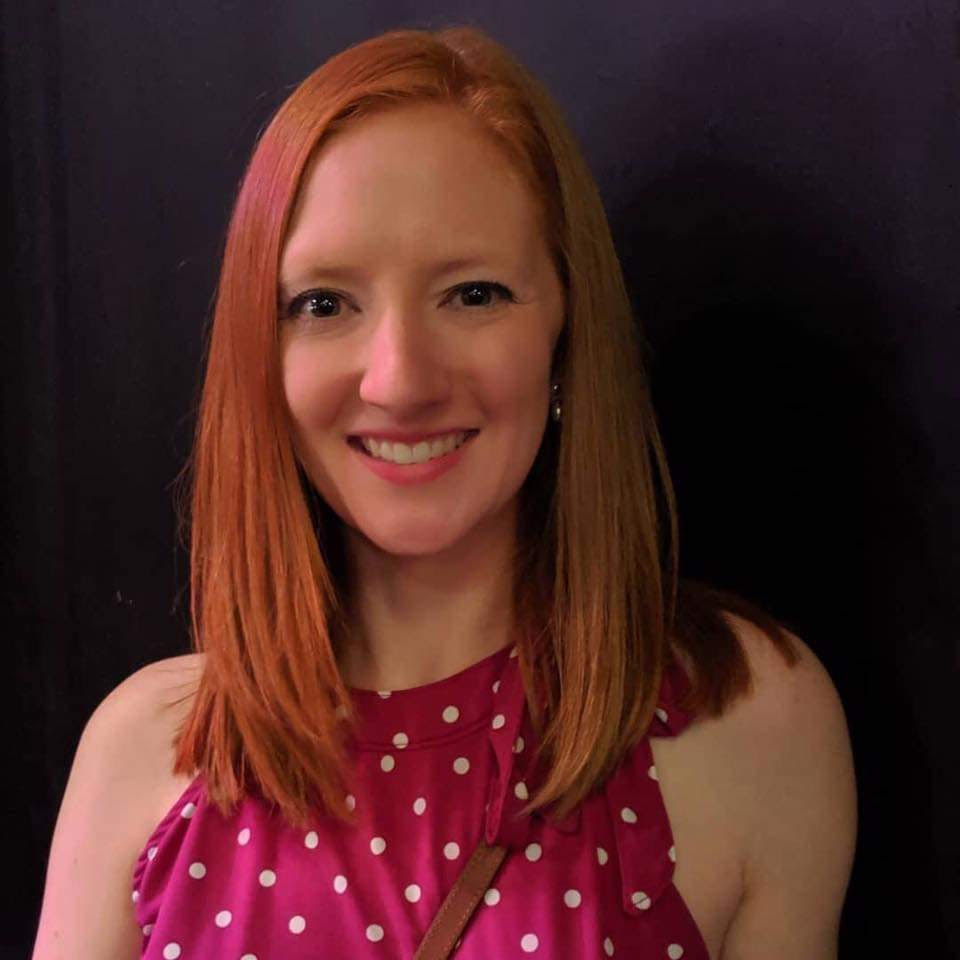
Healthcare billing and coding seems like a dry subject matter, but Morgan Cash – Manager of Clinical Documentation and Coding Accuracy for VillageMD – shares some of the most exciting changes to the system for 2022. Having the proper medical coding ensures that insurers can provide appropriate payment. Coding is also critical for our communities can be safer, helps monitor disease prevalence and treatment outcomes, and builds accountability-based reimbursement systems.


About Morgan Cash
In her 10 years working in the medical industry, Morgan Cash moved up the ladder from front office staff to management. Her current role is Manager of Clinical Documentation and Coding Accuracy for VillageMD’s markets across five different states. Her expertise lies in Hierarchical Condition Category (HCC) diagnoses coding and risk adjustment. She regularly educates providers on the importance of complete and accurate diagnosis code capture and documentation- including the importance of coding a patient’s social determinants of health.
Discussion Takeaways
- Hospital providers used to get reimbursed based on the procedures they did. Now, reimbursement is provided based on diagnosis codes of the patients’ condition.
- In order to get reimbursed, ICD-10 coding is used. This is a system used by physicians and other healthcare providers to classify and code all diagnoses, symptoms, and procedures recorded in conjunction with hospital care in the United States. There are 71,000 different codes. Of those, only 6500 have risk adjustment values added to them. Risk scores help predict the cost of care for individuals. This affects how much reimbursement is provided to the healthcare system.
- Average risk scores are given to each patient. It shares how likely they are to utilize healthcare services based on their diagnoses. The higher the risk score, the higher the estimated healthcare cost is for this patient. If the patient does not use up all the estimated cost, the hospital can utilize that money in alternative ways, like setting up community programming.
- 80% of healthcare outcomes are caused by the social determinants of health (SDOH). These are things like poor access to quality healthcare, issues with food access, financial insecurity, abuse, and much more. 10-20% is influenced by the healthcare system.
- The SDOH are now included in ICD-10 coding as “Z-codes”. They can be patient-reported, unlike all other codes in this system. These codes will help track people’s health and make an impact on their risk assessment with insurance.
- To make sure SDOH are placed in people’s medical records, healthcare staff must know what to ask, how to do it without judgement, how to build trust with patients, and make the patient feel comfortable enough to report. Additionally, the social determinants of health are so broad that survey questions hardly cover all the possible reporting. All these issues hinder these codes from getting into patients’ charts.
- Food insecurity just became a code in 2022.
- By identifying that a person’s health is impacted by one of the SDOH, that can allow patients to meet the qualification for a higher-level office visit. That visit is billable.
- All codes go away at the start of every year. The doctors’ office needs to code these things multiple times a year. Screen at all visits at all times because circumstances change.
#1 tip to improve access to healthy food
Beyond coding for the SDOH, Morgan encourages all medical professionals to code for Protein Calorie Malnutrition. It’s such a prominent issue that will help with reduce the healthcare costs associated with transitional care management, the process of getting people out of the hospital and back home without them having to revisit.

Each week on the Food Dignity® Podcast, the Food Dignity® Movement's Clancy Harrison hosts a wide variety of hunger experts and other people making changes on the frontlines. Join us as we dive deep into conversations that will change the way you think about food insecurity.
Listen to our trailer!
Want to learn more about how we might work together?
Fight hidden hunger by becoming a
Food Dignity® Champion and take the HIDDEN HUNGER PLEDGE >
