
Episode 94: We Stand on the Shoulders of Others
About the Podcast
“Intersectionality” is a hotly-debated and nebulous term. It requires that efforts to address one form of oppression take others into account. Efforts to fight for LGBTQIA+ rights would require examining other forms of prejudice like how women of color experience gender bias differently.
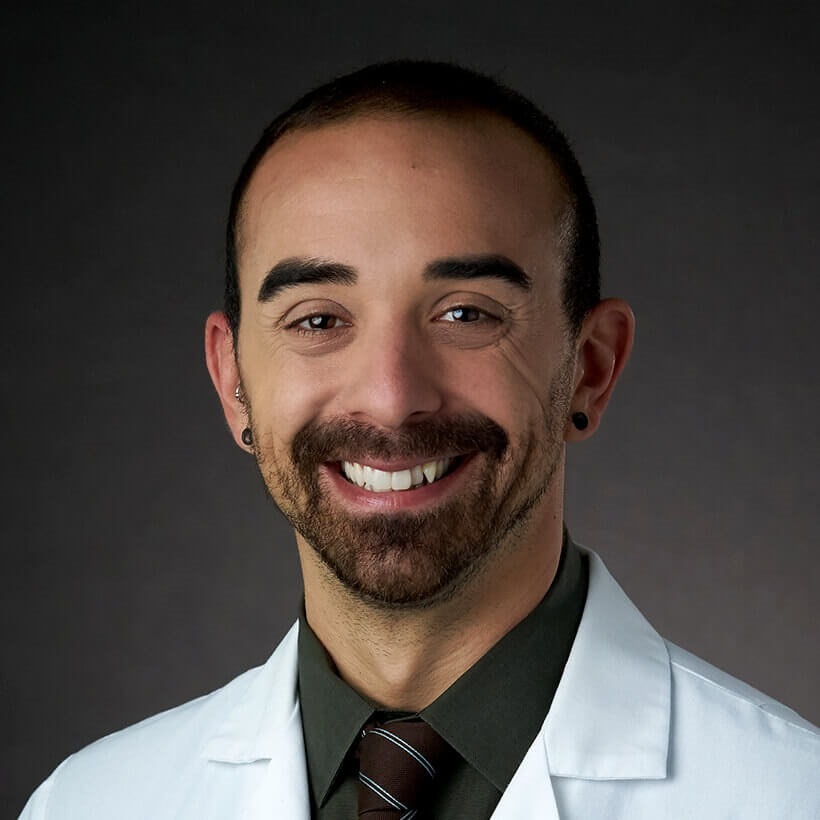
Zachari Breeding digs deeper into this subject. He is a queer-identifying registered, licensed dietitian and holds his Certification of Specialty in Oncology Nutrition. He has been recognized nationally for his efforts in culinary nutrition, Hispanic and Latinx health disparities, nutrition considerations for the transgender community, cannabis counseling, and cystic fibrosis.


About Zachari Breeding
Zachari Breeding, MS, RDN, CSO, LDN, FAND is a queer-identifying registered, licensed dietitian and holds his Certification of Specialty in Oncology Nutrition (CSO). He is the owner of Sage Nutritious Solutions and the Food Operations Manager for the Denver VA Medical Center. Zach has been recognized nationally for his efforts in culinary nutrition, Hispanic and Latino health disparities, nutrition considerations for the transgender community, cannabis counseling, and cystic fibrosis.
Discussion Takeaways
- Zach has focused a lot of his professional time on being LGBTQIA+ advocate, eating disorders in the transgender community, specializing in conditions like oncology and cystic fibrosis, and serving with those in marginalized communities suffering from food insecurity.
- Zach started as a chef and became a registered dietitian as a second career. He saw how food affected people’s health and wanted to get more involved.
- LGBTQIA+ and BIPOC are marginalized communities. They’re two very different communities, but both are more likely to be financially insecure and food insecure. 1/3 of transgender folks experience homelessness and are often assaulted.
- Food access needs to be priority, but as an organization or individual fighting for nutritional security for all, we need to see how other issues intersect that one.
- No person can be looked at as just a “diabetic”. People can’t be defined by one marker, they’re complicated. Organizations supporting the food insecure can provide meals, but they also need to partner with other places that can give more. Zach gave the example of the Center on Colfax working to increase access to healthcare, feeding, and mental health services for the LGBTQAI+ community.
- Don’t focus on supporting nonprofits and food access organizations just during the holiday season. We need help throughout the year.
- Think what houseless people could use. Turkey stuffing is not what they might need.
- Intersectionality allows us to see the work we need to do together.
- Having choice is everything. It’s our last strand of freedom.
#1 tip to improve access to healthy food
Beggars CAN be choosers.

Each week on the Food Dignity® Podcast, the Food Dignity® Movement's Clancy Harrison hosts a wide variety of hunger experts and other people making changes on the frontlines. Join us as we dive deep into conversations that will change the way you think about food insecurity.
Listen to our trailer!
Want to learn more about how we might work together?
Fight hidden hunger by becoming a
Food Dignity® Champion and take the HIDDEN HUNGER PLEDGE >
