
Episode 92: What Do Robots Have to Do with College Hunger?
About the Podcast
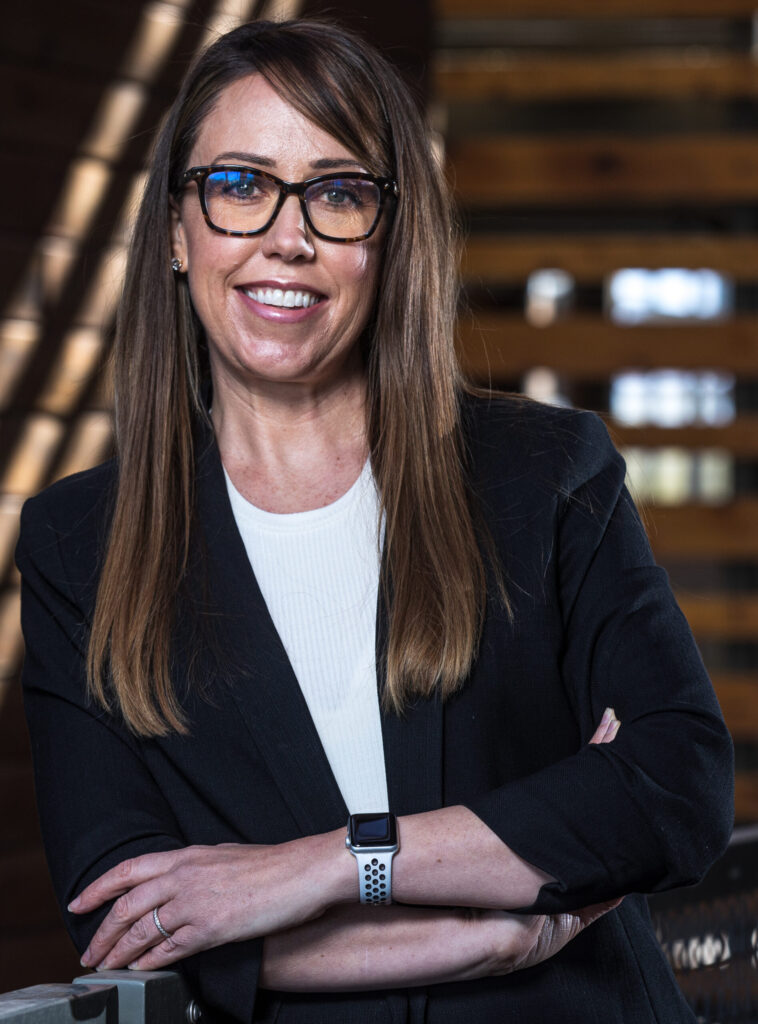
Low-income students and their families receive feeding supports until they reach college. Why is there a gap in feeding these people? Clancy poses this big question to Maureen McCoy – a senior lecturer at Arizona State University and faculty lead of their college food pantry serving a campus of 77,000 students. In both their journeys trying to feed people, there has be disappointment, surprise, and a whole lot of fulfillment.


About Maureen McCoy
Maureen is a Registered Dietitian and Senior Lecturer in the College of Health Solutions at Arizona State University (ASU). Here, she is the Degree Director for the Food and Nutrition Entrepreneurship Bachelor of Science and Bachelor of Applied Science degrees. One of her true passions is serving as the faculty advisor for the Pitchfork Pantry, food pantry for ASU students. With this group, she works with external partners to bring food and resources closer to campus for students who lack transportation and money to purchase these items. The pantry has expanded from a small space serving non-perishable food items to a few students in a week, to a larger operation serving perishable food, hygiene items and cleaning products in weekend pop-up markets to hundreds of students. Prior to coming to ASU, Maureen worked as a sports dietitian, as a school food service dietitian, and as a community dietitian where she still consults with Maricopa County Head Start and oversees the Child and Adult Care Food Program (CACFP). Maureen serves as the Professional Development Coordinator for the Arizona Academy of Nutrition and Dietetics and is a board member on the Arizona Chapter of the American Academy of Pediatrics. She is a member of the Higher Education Food Security Coalition investigating new ways to expand food access to students and the surrounding community.
Discussion Takeaways
- The Pitch Fork pantry serves Arizona State University (ASU) which includes four campuses and 77 thousand students. The National Institute of Health funded a research study called Social Impact of Physical Activity and Nutrition in College (SPARC). It indicated that 35% of participating ASU students were food insecure. That’s why the college pantry was developed in 2017.
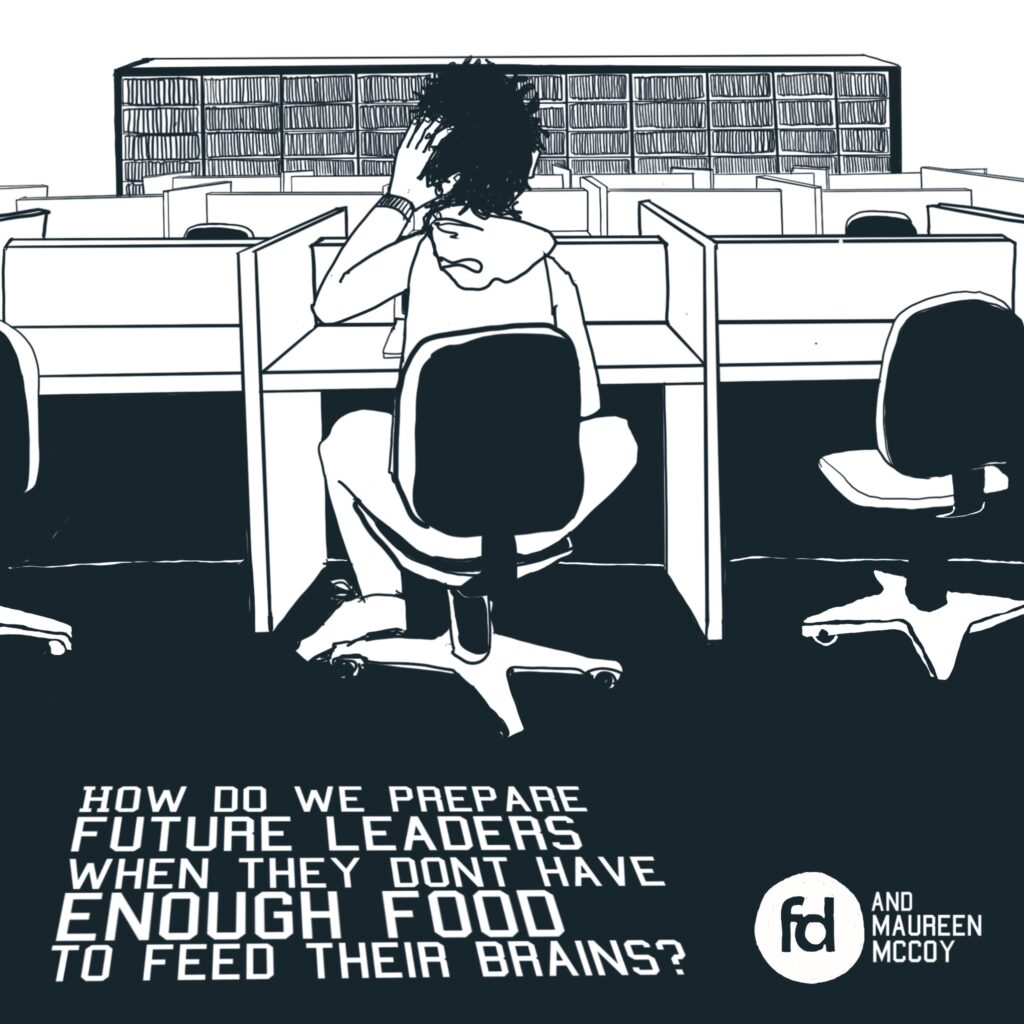
- The National School Lunch Program, the Special Milk Program, various before and after school feeding programs, and summer feeding programs support low-income children through high school graduation. Then, once these people head to college, there are no solid social supports other than food pantries and limited provisions from the Supplemental Nutrition Assistance Program (SNAP). Essentially, low-income college students may not be getting their basic needs met like good sleep, are excessively stressed, and don’t have easy access to healthful foods.
- A student-led food pantry, like the one that Maureen advising, allows for peer-to-peer support. This design makes kids feel more comfortable revealing that they may be hungry.
- Students hold leadership positions for the pantry. Some of them even get paid for working 10 hours a week. Nutrition students at the university produce Instagram Live and recipe videos too.
- Starship technologies partnered with Aramark, the foodservice provider on ASU’s campus, on a project involving robot food delivery from on-campus restaurants. One Public Interest Technology student proposed that these robots assist with providing food delivery for ASU’s food pantry. This first-of-its-kind project, allows students to order food online without worrying about the effort and stigma associated with signing up for basic needs support.
- There is power in providing anti-hunger messaging that is positive and inclusive. The more people involved in this conversation, the better. Words like “sustainability”, “food recovery”, and “nutrition security” speak to this cause and other people of differing perspectives.
- Maureen’s pantry faces challenges including finding enough space at the food pantry to store and serve all students, sourcing safe food options for specialty diets, and the lack of administrative support. But there are so many wins: growth in the number of students served, access to a refrigerated truck, access to more perishable foods they can provide, a new 501c3 status under the ASU’s foundation which allows Maureen to write and receive more grant funding, and the start of a state-wide, higher-education food insecurity coalition with leadership from all 2 to 4-year institutions.
- The urgency of meeting the basic needs of all students has been prioritized by the Board of Regents which oversees all of Arizona’s state universities. They’re requiring universities are now required to form coalitions to answer these needs.
The beautiful image above was created by Rebecca Garofano, our Food Dignity Institute Lead and Illustration Specialist. You can find more of her work at @VeggieDoodleSoup on Instagram and at her website veggiedoodlesoup.com.
#1 tip to improve access to healthy food
Maureen wants people interested in this work to figure out their current community-based food security efforts, explore the landscape, find like-minded people to support the cause, identify noticeable gaps, and answer the highest need.


Each week on the Food Dignity® Podcast, the Food Dignity® Movement's Clancy Harrison hosts a wide variety of hunger experts and other people making changes on the frontlines. Join us as we dive deep into conversations that will change the way you think about food insecurity.
Listen to our trailer!
Want to learn more about how we might work together?
Fight hidden hunger by becoming a
Food Dignity® Champion and take the HIDDEN HUNGER PLEDGE >
