
Episode 83: Why We All Need a Community Organizer like Mable
About the Podcast
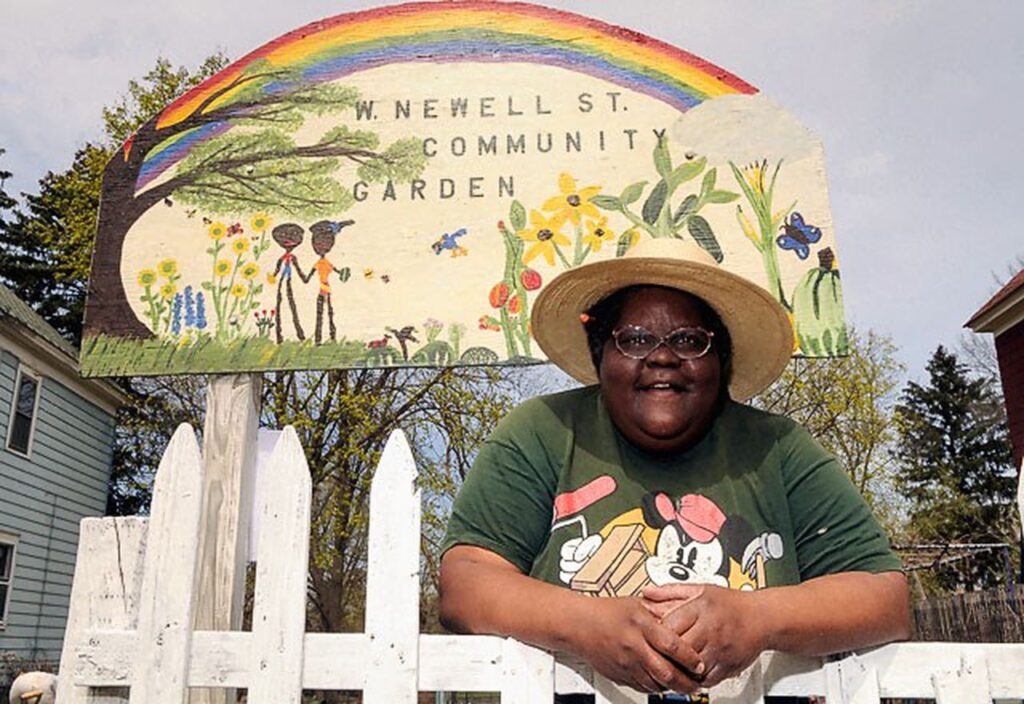
Mable Wilson is a community organizer, an avid and knowledgeable gardener, and a beloved elder living in Syracuse, New York. In this episode, she shares her deep experience working in food justice and urban gardening that has shaped her and surrounding communities. As she takes us through her journey, you will be transformed.


About Mable Wilson
Mable Wilson is a community organizer, an avid and knowledgeable gardener, and a beloved elder living in Syracuse, New York. Mable has deep experience working in food justice and urban gardening. She is a founding member of the West Newell Street Community Garden a self-described "social change garden" founded in 1995. The West Newell Street Community Garden is one of Syracuse's longest surviving community gardens and one of the founding gardens that established Syracuse Grows, a grassroots network of gardens throughout the city.
Discussion Takeaways
- Mable learned to garden as a child in foster care, and from both of her parents. Both were from the South, whose parents came to the North through the Great Migration.
- Gardens offer many things:
- A universal experience: Mable often thinks of the old spiritual each time she comes to the garden. She repeats, “I come to the garden alone, when the dew is still on the roses. And the voice I hear, calling on my ear, is son of God calling.”
- An opportunity to teach others to grow food: Gardening is a way to help yourself, your community, and to access good produce that can nourish you and your family. This is particularly important for people living in food deserts.
- A chance to work with your hands, body, and soul
- An economic opportunity
- Sharing space: Giving from gardens together is one way we can build community.
- Opportunity to learn: These safe spaces help us understand each other, each other’s cultures, and gain food knowledge.
- To Mable, food security means each person has the equal opportunity to eat with dignity from the food that they’ve grown.
- Mable’s advice to young people is to look at your surroundings and see what resources you have to start growing. Figure out your best options, including learning from the people that are already gardening.
- The building of I-81 is an example of the ways infrastructure and policy make a big impact:
- This highway displaced a Black, Jewish, and Asian neighborhood in the 15th ward of Syracuse when it was built. It did a lot of harm to that community and also separated it from other parts of the city.
- The dust and the lead pollution that has come with having a highway run through this neighborhood has had environmental health effects that impact generations, including COPD and asthma.
- Now, the city is faced with the decision of what to do as the highway is falling apart.
- Mable shared about what reparations means to her. Reparation is a way to recognize mistakes and harms that have been caused because of slavery in the United States. She would like to see reparations start to correct the conditions that African American farmers live under, because they were never given equal justice by the US Department of Agriculture.
#1 tip to improve access to healthy food
To fight hunger, find out what is going on in your neighborhood, process it, and see how you can participate.

Each week on the Food Dignity® Podcast, the Food Dignity® Movement's Clancy Harrison hosts a wide variety of hunger experts and other people making changes on the frontlines. Join us as we dive deep into conversations that will change the way you think about food insecurity.
Listen to our trailer!
Want to learn more about how we might work together?
Fight hidden hunger by becoming a
Food Dignity® Champion and take the HIDDEN HUNGER PLEDGE >
