
Episode 80: Making a Stand for Accessible Food Sovereignty for All
About the Podcast
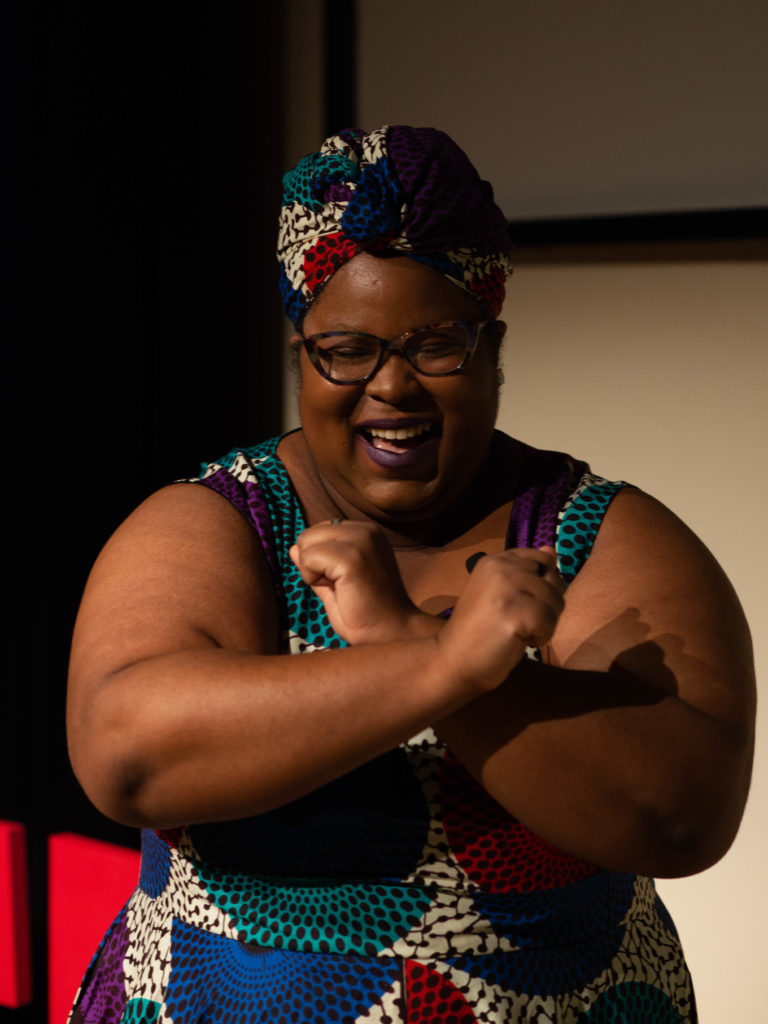
Washieka Torres is a disability rights scholar, activist, and documentarian. She is from the South Bronx in New York City and is currently in University of Illinois at Chicago’s disability studies PhD Program. In this episode, she leads a conversation that isn’t a walk in the park. Washieka’s authenticity and straightforward suggestions call for big change to help us all advance the support system for those with disability.


About Washieka Tanieka Torres
Washieka Torres is a disability rights scholar, activist, and documentarian. She is from the South Bronx in New York City and is currently in University of Illinois at Chicago’s disability studies PhD Program. Her disability advocacy has taken her work across the nation.
Discussion Takeaways
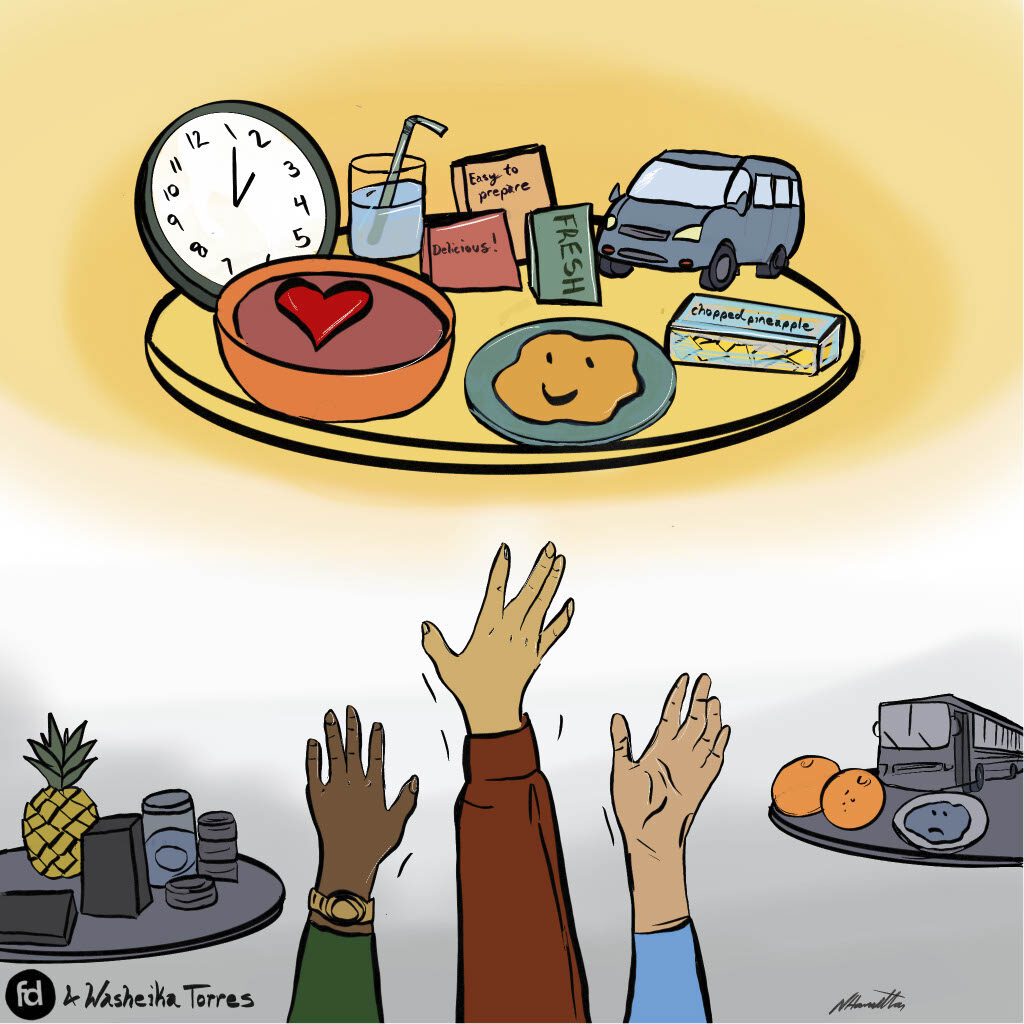
- Precut foods are considered “luxury items” in the grocery store. That label is why you see pineapple slices cost so much more than the whole fruit. Such a harsh price increases make it feel like society doesn’t care for those who can’t cut their own food. It doesn’t frame disabled people as those who want to cook and create in the kitchen. By valuing food in this way, you price people out, make them invisible, and take them out of the conversation entirely.
- Ableism is discrimination on the basis of disability in the favor of able-bodied people.
- There are these ideas about disabled people that get perpetuated throughout society, and we treat disabled people based on these stereotypes. This kind of thing excludes them from society, and it doesn’t help them to move up, move out, or live full independent or interdependent lives.
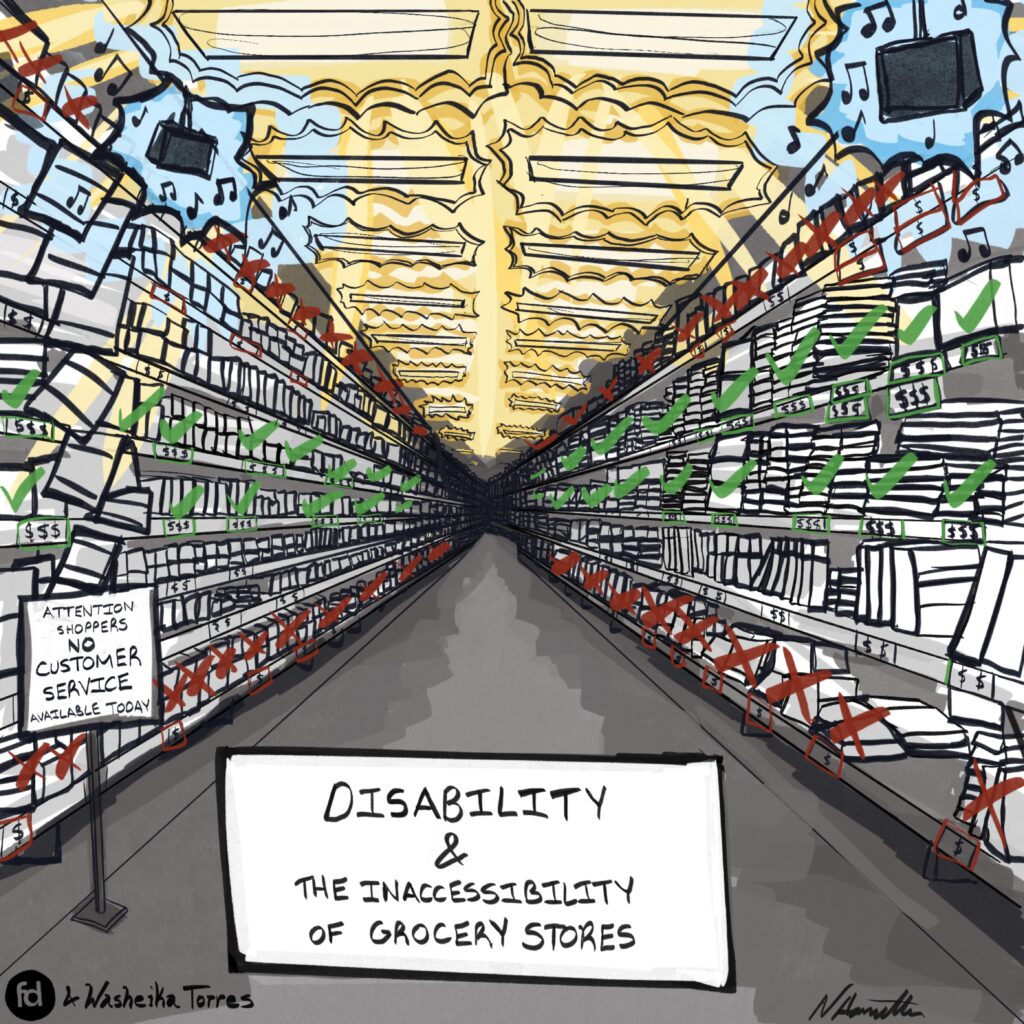
- There are many aspects of grocery stores that make them inaccessible and/or overwhelming for those living with disabilities. Some specific examples that Washieka outlined during the podcast include:
- Ailes are often too narrow for those with various types of mobility devices.
- The most expensive food is at eye or wheelchair level. Cheaper items are at the very top or bottom shelving, and people might not be able to reach them.
- Those with sensory issues may struggle with so much noise and light in these vicinities.
- Promoting customer service when it’s not necessarily available can be tough for people with disabilities. It can cause them to miss a chance to get groceries, even if they call ahead of time to make sure service is available. Nobody wants a wasted trip.
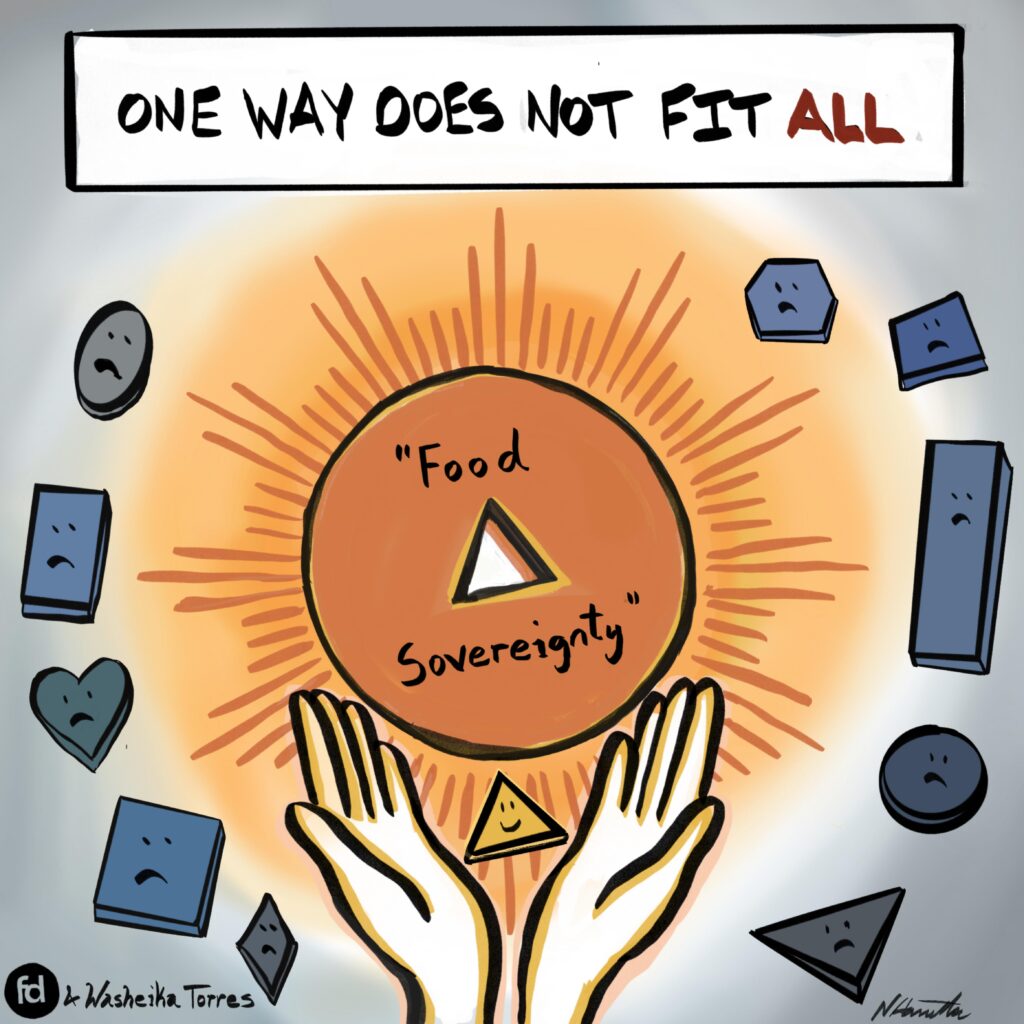
- "Food Sovereignty is the right of peoples to healthy and culturally appropriate food produced through ecologically sound and sustainable methods, and their right to define their own food and agriculture systems."-La Via Campesina. When looking at food sovereignty, we must center the needs and wants of the population we’re working with. Food sovereignty will look different for unique groups and individuals because they have varying priorities, needs, and wants.
- People with disability might not be able to cut all their food, might love to cook but struggle getting the ingredients they need, have an issue accessing transportation to decent grocery stores. Still, they have often been left out of the food sovereignty conversation because they’re often seen as passive eaters, almost like childlike adults with caregivers making their food decisions. That perception is more than often wrong.
- Folks living with disability often don’t have access to the food they want to eat for pleasure and food to eat for health. Foods that are in reach were not pleasurable nor healthful, but rather boring, generic canned food, or the cheapest options. Sometimes, people need things pre-chopped or pre-peeled, but those are often more expensive.
- Public transit is tricky for most people with disabilities. In some places, people are able to use Paratransit. This program is often run by local companies and called by different names in various service areas. You often have to receive a doctor referral or qualify for these services, and they’re available for short or long-term use. Some services require riders to schedule this type of transport ahead of time, hours or days before. Transit vehicles are equipped for mobility devices, like a wheelchair or scooter; have a lift, ramp, and stairs; and can support those who are audio or visually.
- Mutual Aid Networks are creating avenues for us all to work for and from each other. People are meant to be compensated in a variety of ways to meet needs of a community. Some projects aim to revamp the food system, including gardening initiatives happening around the country or a system of free fridges to store fresh food. This movement is centered around food dignity: letting people eat according to their preferences, rather than subsist on whatever donations are available at a food bank that week.
Huge thank you for the image and description contributions from Natalie Hamilton (@nutri.doodles on Instagram). She is a dietetics student at the University of British Columbia. Throughout her career, she aspires to work at the intersection of food justice and nutrition issues.
#1 tip to improve access to healthy food
Food is not good or bad. People who choose to eat that food are not good or bad.

Each week on the Food Dignity® Podcast, the Food Dignity® Movement's Clancy Harrison hosts a wide variety of hunger experts and other people making changes on the frontlines. Join us as we dive deep into conversations that will change the way you think about food insecurity.
Listen to our trailer!
Want to learn more about how we might work together?
Fight hidden hunger by becoming a
Food Dignity® Champion and take the HIDDEN HUNGER PLEDGE >
