
Episode 79: Unlocking Big Lessons from a Deaf New American
About the Podcast
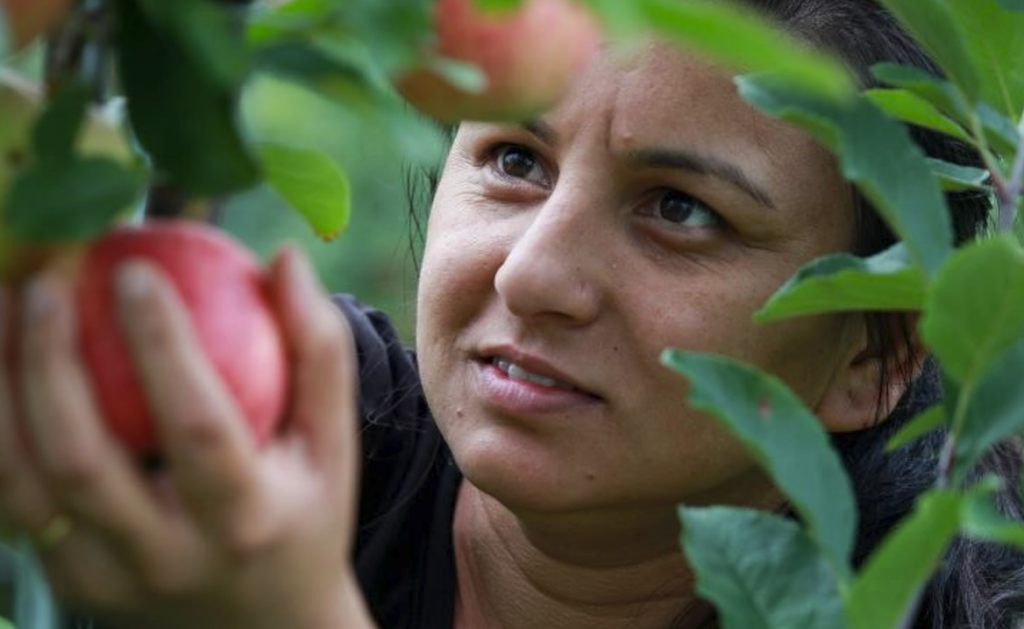
In this episode, Clancy interviews a person without the sense of hearing who is willing to share her expertise. Community activist, Monu Chhetri, opens up about being ostracized from her home, immigrating to the United States, the isolation of being Deaf in a new culture, her struggles when dealing with western medicine, and how a community and the soil can heal all.

About Monu Chhetri
Monu Chetri is a community organizer and advocate who has made a significant positive impact within Syracuse, New York, particularly within and on behalf of the Deaf New American community. As a Deaf person herself, Monu grew up in Nepal. Upon relocating to the United States, Monu learned both English and American Sign Language and immediately began working to connect and empower other Deaf immigrants and New Americans towards independence, including navigating both the US healthcare and food system. Amongst her many community roles and interests, Monu has also become involved with Salt City Harvest Farm, a New American farm and agriculture incubator located in the Syracuse area.
Discussion Takeaways
- Conducting this interview taught Clancy a lot about providing access - specifically how to do closed captions, create transcripts, work with an interpreter, and think about ways to make the podcast accessible to a wider audience.
- Monu came to the United States after having lived in a refugee camp in Nepal, an experience that affected the way her farming family was able to grow food for themselves.
- Monu prefers the term “New American” rather than refugee because the term “refugee” has to do with having to flee your home country. Monu feels at home in the United States and has roots here, and so prefers this label because it feels more dignified.
- A group of Deaf New Americans began to meet in Monu’s living room in 2012. They met together to discuss barriers they faced and to find ways to support each other in order to accomplish their goals.
- A common experience many Deaf New Americans discussed was the unique isolation they felt when they arrived to the United States.
- Some of the barriers that Monu described, as it related to her accessing healthcare:
- As a Deaf individual, she was particularly isolated. She did not meet any Deaf people in the US for six months. She was unsure if Deaf people lived in the US.
- Monu had to learn both English and American Sign Language and navigating resources to learn those languages was challenging.
- At her first doctor’s appointment, she went with a spoken language interpreter. She found this experience disorienting and traumatizing, and did not understand some of the technology such as an MRI machine or why she was asked to remove her clothes.
- Monu emphasized the importance of asking individuals, and Deaf individuals, what accommodations work for them. Never make assumptions about what gives a patient communication access, always ask.
- Monu emphasized that her life experience as a Deaf New American makes her uniquely qualified to provide access to individuals like her. Decision-makers should understand and value what life experience provides in providing those services.
- Monu encouraged people in administrative positions, who make decisions, to take time to interact with the people who are affected by their programs and services, in order to ask questions, become familiar with them, and find out better what those individuals need in order to provide access.
- Monu used to provide interpretation services in healthcare settings, but regulations have changed that now favor spoken language interpreters. That has prevented her from being able to provide those services. This shift has been confusing and challenging for the Deaf New American community, where cultural values emphasize collective approach to problem solving and supporting each other, as compared to a more individualistic US culture.
- Monu says that she is not afraid to make the wishes of Deaf New Americans known because if they don’t share these stories, people won’t know the needs of this community.
- Monu described what it was like to first arrive in the US. She was breastfeeding her daughter and hungry, and received a large piece of chicken. She was nervous that this was how food was in the US. As a Deaf person, she did not have opportunities to go to the grocery store very often at first. It was later, when she went to an Asian grocery store, that she felt relieved to find food that was familiar to her and a part of her culture.
- Food in the city is often expensive, accessing and affording food for New Americans can be a challenging. Monu would love to see more community efforts to coordinate transportation to grocery stores outside of the city and access to affordable food.
- Clancy asked Monu about food pantries, where she learned that Monu wasn’t familiar with food pantries and food banks. Clancy reflects that this was a big point of learning for her, when she assumed everyone on this episode understood what she was talking about. She described these services, and Monu explains that if she doesn’t know about food pantries, it’s likely that other Deaf New Americans also don’t know.
- Monu shared that in her community, when someone is having trouble affording food, they share. For example, there was an elderly couple who did not receive social benefits for a period of time because those resources are removed after seven years of being in the US, and they were waiting to become citizens in order to apply again. Monu and her mother split their groceries with this couple for one year.
- Monu shared a bit about her food culture. She explained that in the refugee camps she did not have a refrigerator. Her community cooks in the morning and at night, and vegetables are very important. She prefers meals that have rice. She often chooses to eat at home rather than at a restaurant.
- Monu explained that receiving WIC is not straightforward for some New American community members, because the food is so specific, what you can purchase. Many New Americans are not familiar with cheese or cereal, and would prefer more fruits and vegetables. Because of how strict the program is, some New Americans may not use WIC resources, because they don’t want to waste food.
- Monu feels passionate that if people don’t speak up about these issues, they won’t change.
- Monu shared about Salt City Harvest Farm, a farm incubator for New American farmers in the Syracuse area. Monu had heard about this farm for years, had been interested, but people told her that it wasn’t a place for Deaf people. It would be too challenging to provide accommodations.
- Eventually Monu’s husband met a woman named Rebecca, who knew about the farm and about how to provide access. Soon, Deaf New Americans were visiting the farm, and now even make up a large portion of the individuals who use the farm and work there.
- The Salt City Harvest Farm provides so many benefits to Monu and her community. It gives them fruits and vegetables, the opportunity to be outside and to exercise, and the chance to spend time together and reduce isolation.
- Monu explained that many New Americans know how to forage plants from around the farm. They have taught the people running the farm and area neighbors how to eat these plants.
- Monu would like to see the farm as a place for children of Deaf adults (CODA) to learn about their culture and their food culture. She hopes it can be a place to grow, learn, and share together.
- Monu also wants to see more farms and community gardens developed in Syracuse because it is an opportunity for individuals, especially New Americans who earn less than their American neighbors, to have an additional source of income. There is an opportunity to sell culturally important fruits and vegetables to small grocers, so that food doesn’t have to be shipped from New York City, making those items both less fresh and more expensive.
#1 tip to improve access to healthy food
Monu emphasized the importance of asking individuals, and Deaf individuals, what accommodations work for them. Never make assumptions about what gives a patient communication access, always ask.

Each week on the Food Dignity® Podcast, the Food Dignity® Movement's Clancy Harrison hosts a wide variety of hunger experts and other people making changes on the frontlines. Join us as we dive deep into conversations that will change the way you think about food insecurity.
Listen to our trailer!
Want to learn more about how we might work together?
Fight hidden hunger by becoming a
Food Dignity® Champion and take the HIDDEN HUNGER PLEDGE >
