
Episode 63: Freedom for All by Solving Food Insecurity
About the Podcast
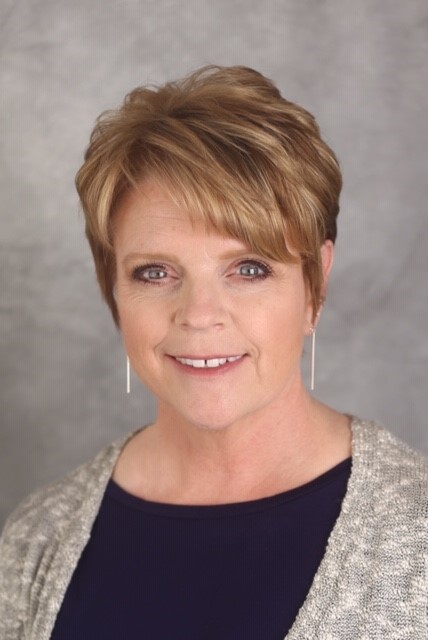
Ellie Wilson is a Registered Dietitian Nutritionist and Manager of Lifestyle and Wellness Programs at Price Chopper, Market 32, and Golub Corporation located in Schenectady, NY. Her decade’s worth of experience in retail nutrition, food security work, and a deep understanding of how historic events have the ability to reshape the view of food assistance today.


About Ellie Wilson
Ellie Wilson is a registered dietitian nutritionist and Manager of Lifestyle and Wellness Programs at Price Chopper/Market 32/Golub Corporation, located in Schenectady, NY. Prior to that position, she spent 13 years as Senior Nutritionist for Price Chopper/Market 32. Ellie develops and manages nutrition data and food and health resources for the entire chain of 131 stores, supporting Pharmacy, Foodservice, Quality Assurance, Public Relations, Human Resources, Sales, and Marketing teams. She facilitates public-private partnerships, focusing on population health, business, and nutrition linkages. Ellie is honored to be an appointee to the New York State Governor’s Council on Hunger and Food Policy. She is active with the New York State Academy of Nutrition and Dietetic Association (NYSAND), Food Marketing Institute workgroups, and the Topco Academy of Nutrition Member Advisory Council. She is also a food service rotation preceptor for the Troy, NY-based Sage Colleges Dietetic Internship. Ellie lives in Schenectady, NY with her husband, Walter and their son, Don.
Discussion Takeaways
- Ellie brings a historical perspective that deepens our understanding about how food access, supply chain management, and other food system issues affected America in the past. She shares what we accomplished as a society during these challenges. Lessons learned can be inform practices we do today.
- For years, Ellie has been a part of the New York State Council on Hunger and Food Policy. She sees her role on this council as being a part of the intersection of food systems, public health, and retail dietetics, striving to figure out how she can best support community wellness.
- Ration books were distributed during World War II (WWII). A picture of them is displayed in the show notes for this podcast. Shortages of essential war materials such as rubber, gasoline, and sugar were initially anticipated, but soon rationing grew to include food as well as fuel and sugar.
- Self-reliance and sustainability became priorities during WWII, so marketing focused on Victory Gardens and home canning. Rationing promotion and coupons offered five pounds of sugar during growing season so people could can the foods they grew. During WWII, A
- Americans supported each other in the name of freedom, war time, taking care of the country and troops, and patriotism. Social programs, like rationing, were accepted and implemented by all. Think if the government used these tactics during COVID-19 and beyond.
- 40% of the people who needed food supports (like food pantries and food banks) during COVID-19 never used these resources before. We all went through tough times during COVID, so why not come together to support each other? It’s a time to join together to rid of stigma behind feeding programs. We need to put aside our cultural norms and assumptions about those in-need.
- Change in the food supply is happening. It includes: transparency in food and food systems, providing correct nutrition information, ensuring healthful food for all, food as medicine efforts, and more. These things empower our nation and the world.
- We all want to feed our families on a budget, we should strive to allow that to happen for everyone.
- The pandemic forced e-commerce to grow 5 times as fast as expected. Industry worked so hard to be a part of the solution!
- Images discussed throughout this podcast:
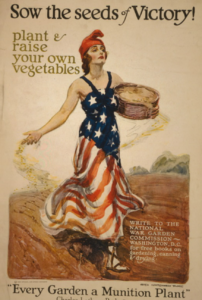
Victory garden poster from the 1940s encouraging people to grow their own food so there would be enough for our troops during World War II
-
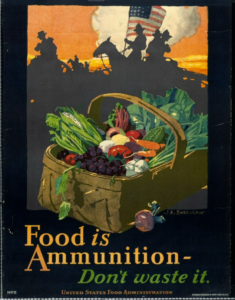
Another poster from World War II focused on reducing food waste
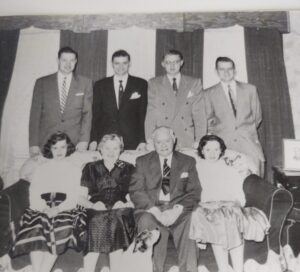
Ellie Wilson's Mother's family who owned the ration books displayed below
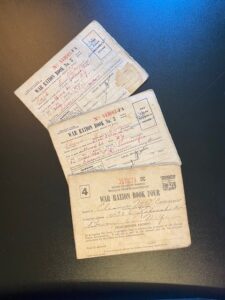
Various food ration books from World War II
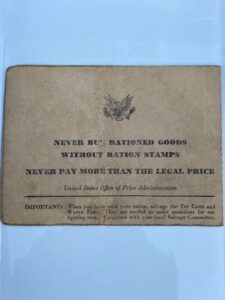
Rules within ration books
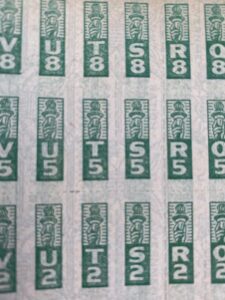
Form of payment within ration books featuring Lady Liberty
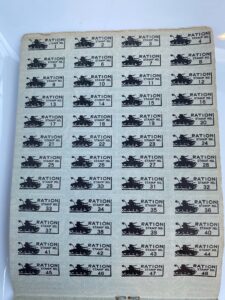
Rations stamps with tanks on them
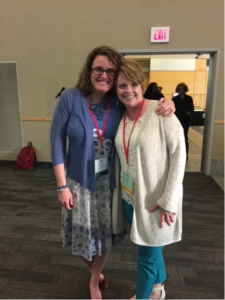
Clancy and Ellie!
#1 tip to improve access to healthy food
- Most retailers have awesome nutrition resources. Make sure your community knows about them. For instance, Price Chopper has a diabetes program with free resources including meters and test strips. Providing these resources frees up money for food or other necessary goods.

Each week on the Food Dignity® Podcast, the Food Dignity® Movement's Clancy Harrison hosts a wide variety of hunger experts and other people making changes on the frontlines. Join us as we dive deep into conversations that will change the way you think about food insecurity.
Listen to our trailer!
Want to learn more about how we might work together?
Fight hidden hunger by becoming a
Food Dignity® Champion and take the HIDDEN HUNGER PLEDGE >
