
Episode 62: The Intersection between Food Elitism and Hunger
About the Podcast
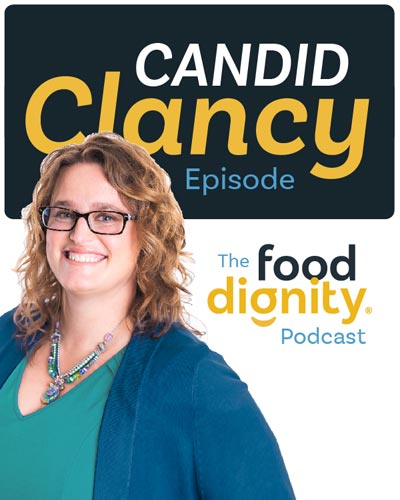
This short “Candid Clancy” episode will have you spot moments when hunger and food elitism cross paths. For so many of us, these experiences have emotional, physical, and social consequences.


About Clancy Harrison
As a registered dietitian, TEDx speaker, international speaker, and author, Clancy Harrison challenges the way food insecurity is approached in the US. Her mission to demolish the stigma around healthy food access places her on the cutting edge of advocacy.
Clancy is the founder of the Food Dignity® Project, a strategic program for leaders who want to shift how they approach nutrition outreach by making healthy food access a priority. She transforms the lives of thousands of people through her work with corporations, non-profit organizations, and universities.
Currently, Clancy is an advisory board member for the Pennsylvania American Academy of Pediatrics Food Insecurity EPIC program, Ambassador of the National Dairy Council, and the President of the Al Beech West Side Food Pantry. Since the onset of COVID-19 Clancy has distributed nearly 1 million meals in her community to improve access to healthy food through effective collaborations.
Discussion Takeaways
- Clancy calls herself a recovering “food elitist”. This means she used to project her perspective that fresh, organic, non-GMO, you-fill-in-the-blank foods were best and available for her patients. She made blind assumptions that because she comes from a place of privilege and can afford these things, they could too. Now, she knows better!
- The intersection between hunger and food elitism happens all over the place. At birthday parties when some moms want their kids to skip the red food dye in the cake; over commercials promote expensive, out-of-reach brands; and in conversations between people who choose to restrict certain foods in their diet. Some people just can’t afford these types of food choices.
- Too, when we deal with our clients, we must hear them out. Sometime soda might be used to fill a child’s belly when there is no food in the house. Other times, fresh produce doesn’t seem feasible because people have to lug heavy grocery bags through public transportation. Nutrition recommendations can’t critique the healthfulness of their diet until patients get access to affordable, healthy foods.
#1 tip to improve access to healthy food
- As food and health professionals, we need to pay attention to these intersectional moments and how they might impact the people we serve.

Each week on the Food Dignity® Podcast, the Food Dignity® Movement's Clancy Harrison hosts a wide variety of hunger experts and other people making changes on the frontlines. Join us as we dive deep into conversations that will change the way you think about food insecurity.
Listen to our trailer!
Want to learn more about how we might work together?
Fight hidden hunger by becoming a
Food Dignity® Champion and take the HIDDEN HUNGER PLEDGE >
