
Episode 54: Getting Real About Health Equity
About the Podcast
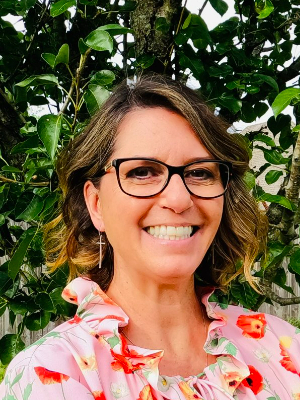
Jennifer Reed’s entire career, as a registered dietitian, has been dedicated to a client-centered approach to diabetes education. Someone who knows what it’s like to grow up on food stamps, she is on a mission to dignify and normalize healthy food access for everyone.


About Jennifer Reed
Jennifer Reed was a nutritionist for the Supplemental Nutrition Assistance Program for Women Infants and Children (WIC) before earning her Master’s degree. She then went to work for the University of Missouri Extension as a Nutrition Specialist and Expanded Food and Nutrition Education Program (EFNEP) coordinator for the 6 Boot Heel counties in Missouri. Mrs. Reed was also a monthly nutrition writer for the Dunklin County Newspaper. She moved onto support the Isanti Sioux Tribe in North Central Nebraska as a nutritionist for the Special Diabetes Program for Indians (SDPI). During her time on the Reservation, Mrs. Reed provided nutrition oversite for the Head Start program and the school. Mrs. Reed also wrote a grant with the CDC and along with 12 other Tribes across the country began to work on ecological and sustainable ways to reduce obesity and diabetes amongst Native Americans. Mrs. Reed joined forces with the Northern Ponca Tribe of Nebraska’s to provide a grant to help with Heart Health as it related to other chronic disease conditions like obesity and diabetes. She helped to update an old cafeteria where she would provide weekly nutrition and food demos for the tribes Circle of Youth and Circle of Elders. Mrs. Reed was then hired at Le Bonheur Children’s Hospital in Memphis, focusing on the diabetes outpatient clinic, before taking over as the manger and educator at the Baptist Medical Group’s diabetes and pre-diabetes outpatient clinic. Here, Mrs. Reed advances the care of patients who struggle with food insecurity and has collaborated with the Mid-South Food Bank to provide boxes of food for any patient who has Medicare, Medicaid or self-pay. Mrs. Reed has also been working to provide better blood sugar control and treatment for patients who are struggling and going through cancer treatment.
Discussion Takeaways
- For the past 5 years, Jennifer has managed of a diabetes education program. She’s a certified diabetes educator. Prior to this role, she spent years working in Nebraska on a reservation where Type 2 diabetes was prevalent. That experience sparked her interest in this specialty.
- We need to look at the historical trauma of minorities. Indians used to be nomadic hunter and gatherers. When forced onto reservations, family structure deteriorated and they were deprived of their cultural heritage and eating practices. They were fed commodities like white carbohydrates, pastas, flours, and things like frybread (deep fried flatbread) were created. To this day, those living on reservations don’t have access to good and healthy food. Low nutrient, high fat, and processed foods are often what’s most available.
- As health professionals, we:
- Often assume that patients know how to handle their diabetes or other health issues. People want to eat better. They just don’t know the healthy eating basics, nor do they have food access.
- Can’t just assign a diet plan. We need to do more.
- Can’t think we know what people want. We shouldn’t speak to the people we’re trying to support. Let them speak to us and tell us how to help them best.
- Need to identify with our patients. Make it known that we’re not above them.
- Should try to check ourselves before we project our own or judge others’ food philosophy. Everyone wants to do their best.
- Our job is to help people understand foods, make expensive foods go further, make healthy tasty and feel good.
- Food deserts are a problem that we’ve talked about for years. But, when are we actually going to solve them?
- Mac and cheese might not be something to put on Instagram, but sometimes that’s the best someone can do.
#1 tip to improve access to healthy food
Food is social, cultural, and spiritual. It’s a lot of things. People make it “bad”, and it’s a health professional’s job to put the joy and respect back into food for the people they serve. A part of that is allowing people to keep their cultural foods alive.

Each week on the Food Dignity® Podcast, the Food Dignity® Movement's Clancy Harrison hosts a wide variety of hunger experts and other people making changes on the frontlines. Join us as we dive deep into conversations that will change the way you think about food insecurity.
Listen to our trailer!
Want to learn more about how we might work together?
Fight hidden hunger by becoming a
Food Dignity® Champion and take the HIDDEN HUNGER PLEDGE >
