
Episode 240: Food as Power Through Farm to School
About the Podcast
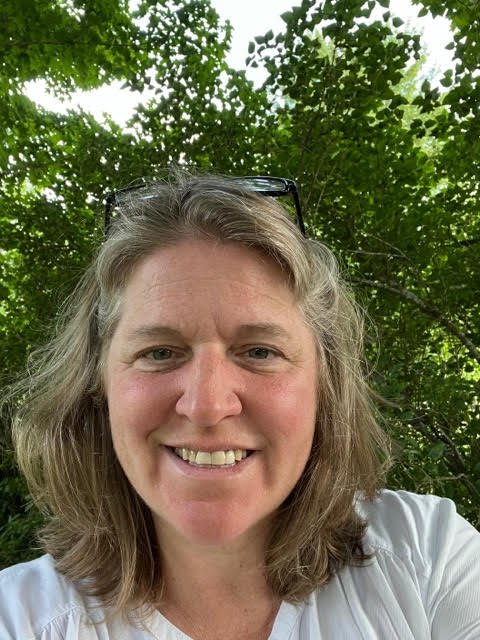
Today, Clancy speaks with Dana Hudson, Coordinator of the Vermont Farm to School and Early Childhood Network. With more than 25 years of experience in farm-based education, Dana has worked in classrooms and on farms, supported farmers entering the school food arena, and helped build practical tools that connect students to local agriculture. In this Food as Power series conversation, Dana shares how relationships, education, and community demand can shift food systems from the ground up.


About Dana Hudson
Dana Hudson serves as the Coordinator of the Vermont Farm-to-School and Early Childhood Network. She grew up on a family dairy farm and now works at Shelburne Farms, a working dairy and nonprofit education center in Vermont. Throughout her career, Dana has supported farmers, school food service professionals, and educators in building strong farm-to-school programs. Her work focuses on strengthening local food systems, supporting farm families, and helping communities reclaim their connection to food.
Discussion Takeaways
- Vermont’s Farm to School model centers on the “3C” approach: classroom, cafeteria, and community. The lasting change only happens when all three are working together.
- Relationships are the foundation of farm-to-school. Without relationships between farmers, schools, food service, teachers, and students, policy and resources are not enough.
- Farm-to-school creates a “win-win-win.” Farmers gain reliable markets, schools increase student participation in meals, and students build knowledge about food and agriculture.
- Food as power is used both in personal and systemic ways. While food has historically been used to control and limit choice, communities can reclaim power by building demand for local food, supporting neighbors, and advocating for policies that increase access.
- Nutrition education must focus on whole foods and curiosity rather than rigid rules. Confidence in food, built through trust and repetition, can reshape lifelong eating habits for students.
- Food dignity is having a choice or option for the foods that fulfill your body's needs. It means having access to local, fresh foods; the choice to farm or garden; and the opportunity to understand where food comes from.
#1 tip to improve access to healthy food
Food dignity is having a choice or option for the foods that fulfill your body's needs. It means having access to local, fresh foods; the choice to farm or garden; and the opportunity to understand where food comes from.

Each week on the Food Dignity® Podcast, the Food Dignity® Movement's Clancy Harrison hosts a wide variety of hunger experts and other people making changes on the frontlines. Join us as we dive deep into conversations that will change the way you think about food insecurity.
Listen to our trailer!
Want to learn more about how we might work together?
Fight hidden hunger by becoming a
Food Dignity® Champion and take the HIDDEN HUNGER PLEDGE >
