
Episode 112: Nutrition, Food, and Eating Should Not Be Inextricably Tied to Weight
About the Podcast
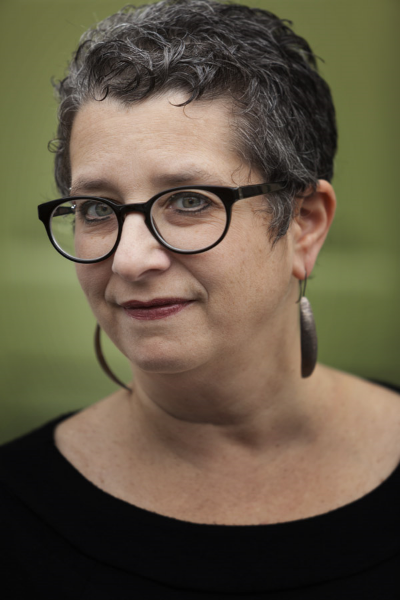
Harriet Brown is an electric, curiosity-driven, nationally-acclaimed writer, speaker, and Syracuse University professor. Her journalism pieces have been featured in The New York Times Magazine, O, Prevention, and many other publications. She shares deep reflections from her childhood, experiences that have changed her, and how she used all these things to develop a career based on the complex relationships between weight and health.


About Harriet Brown
Harriet Brown is an electric, curiosity-driven writer, speaker, and college professor. She works on subjects ranging from fat acceptance, to neurobiology of forgiveness, to early childhood education. Her stories have appeared in the New York Times Magazine, O, The Oprah Magazine, Prevention, Health, Glamour, Vogue, and many other publications. Her radio essays can be heard on NPR’s “All Things Considered” and “To the Best of Our Knowledge.” Her latest book is Body of Truth: How Science, History, and Culture Drive our Obsession with Weight – And What We Can Do About It. It's the result of five years of research into the complex relationships between weight and health, and some of the surprising and life-changing things she learned in the process. Earlier books include Brave Girl Eating: A Family’s Struggle with Anorexia, two anthologies – Feed Me and Mr. Wrong, and The Good-Bye Window: A Year in the Life of a Day-Care Center. She currently teaches magazine journalism at the S.I. Newhouse School of Public Communications in Syracuse, New York.
Discussion Takeaways
- Harriet’s personal weight cycling and diet mentality and her daughter’s eating disorder brought her to the work she’s doing today in the weight sensitivity and fat liberation space.
- There is often a disconnect in our society between weight and health.
- People should use what they see as the most fitting terms to describe their own weight. Choose the words that you feel you identify with. Harriet uses the term “fat”.
- Why have we allowed commenting on people’s weight to become terrible thing? Harriet uses the term “fat” as a descriptive word instead of tagging it to a negative connotation. She doesn’t like the term “overweight” because it means there’s a weight you should be at and you’re over it. Obese has now become a diagnosis and representative of pathology that requires clinical treatment.
- Our society is very appearance-based. We should try to change that.
- Why are we even talking about people’s weight, if what we’re really concerned about is people’s health?
- Food insecurity can come about from diet culture.
- Nutrition, food, and eating are not inextricably combined with weight.
- Society needs to celebrate all food!
- We cannot change anyone’s mind. It’s our job as health professionals to present ideas, so people can think about them critically.
- To Harriet, Food Dignity® means having the autonomy, dignity, and respect to make your own decisions around food without worry of threats, condescendence, or punishment surrounding your eating.
- Food insecurity does not have to be linked to poverty.
#1 tip to improve access to healthy food
- Model body acceptance regardless of how you feel.

Each week on the Food Dignity® Podcast, the Food Dignity® Movement's Clancy Harrison hosts a wide variety of hunger experts and other people making changes on the frontlines. Join us as we dive deep into conversations that will change the way you think about food insecurity.
Listen to our trailer!
Want to learn more about how we might work together?
Fight hidden hunger by becoming a
Food Dignity® Champion and take the HIDDEN HUNGER PLEDGE >
