
Episode 104: You’re Not Worthless. You’re Worth This!
About the Podcast
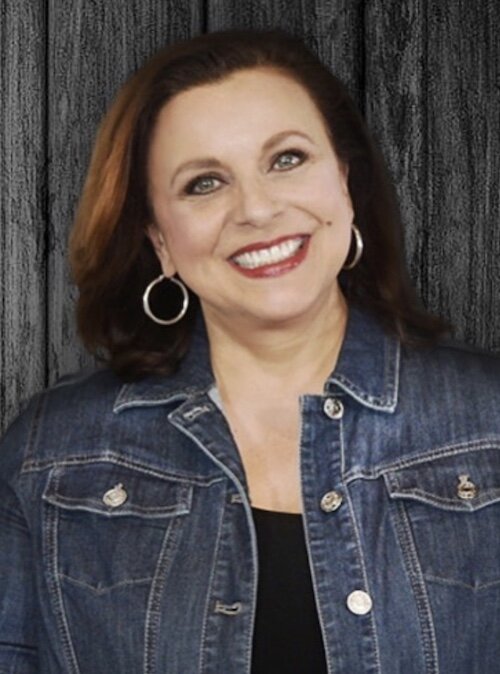
Suzanne Kapral and Clancy’s conversation will give you life right now. It’s not all roses, but instead about the beauty of coping with trauma. Suzanne is development and marketing director at Hillside Farms, a 412-acre, nonprofit, educational dairy farm located in Luzerne County, Pennsylvania. The farm’s mission is to teach life choices that are healthy, logical, and sustainable.


About Suzanne Kapral
Suzanne Kapral is development and marketing director at Hillside Farms, a historic, 412-acre, nonprofit, educational dairy farm located in Luzerne County, Pennsylvania. The farm's mission is to teach life choices that are healthy, logical, and sustainable. One mission-focused program is Children’s Grief Camp, a dairy farm-based grief education program for children who experienced trauma. In 2020, Suzanne was a TEDx Scranton speaker where she shared her personal story of transforming childhood trauma into healthy actions. Suzanne’s trauma was the catalyst for creating Children’s Grief Camp in 2013. Suzanne partners with the Food Dignity Movement to provide healthy food to the children during grief camp.
Discussion Takeaways
- Sustainability is about not wasting anything. This concept pertains to everything including the environment, food, energy, and your life.
- The Lands at Hillside Farms is an educational dairy farm that’s a 501c3 nonprofit. They have over 400 acres of land. Hillside was Suzanne’s playground when she was a little girl. Her formative years were spent on there, away from the addiction within her family caused a lot of undiscussed strife. Now, she is the farm’s Development and Marketing Director.
- Greif Camp at Hillside Farms is for children who lost a loved one because of murder, suicide, death, incarceration, you name it. Programming has been growing and continuing for 10 years. Participants not only work through their trauma with mental health professionals, but they also run the farm, respect the animals, and learn from nature.
- Trauma-Informed care requires that we look at a child’s foundation in the early stages of life.
- Think, if you were a child with trauma. You learn that you can’t trust grownups. Adults can be scary, but you still love them. If you feel ashamed that you feel that way, how is that going to frame what you’re going to be like as an adult.
- By restoring yourself, you can help heal the wounds of children who are not yet born. Because if you change the trajectory of your life, you do the same for everyone around you.
- Dignity ties back to trauma and shame. No one should ever lose respect for what their life has to offer.
- For those who experienced trauma, they view the world while in fight-or-flight response and are often over reactive. They don’t know what will happen next, but they perceive it to be bad. If they are not nourished, then how are they supposed to have the strength to take on healing.
- If you are truly going to get better, you must feel. If you are going to feel, you must have the food and nourishment to give you the willpower to take this on. Healthful foods will help you along the way.
- If you’re suffering, seek out individuals that have gone through a similar situation. Normalize pain because you’re not the only one who went through it. Get yourself out of isolation. Then, find someone who will listen to you.
- Asking for help and showing your vulnerability is the bravest thing you’ll ever do.
- Self-care is not selfish.
#1 tip to improve access to healthy food
- To heal, we all must get comfortable with feeling uncomfortable.

Each week on the Food Dignity® Podcast, the Food Dignity® Movement's Clancy Harrison hosts a wide variety of hunger experts and other people making changes on the frontlines. Join us as we dive deep into conversations that will change the way you think about food insecurity.
Listen to our trailer!
Want to learn more about how we might work together?
Fight hidden hunger by becoming a
Food Dignity® Champion and take the HIDDEN HUNGER PLEDGE >
