
Episode 102: Celebrating Indigenous Populations’ Power in the Food System
About the Podcast
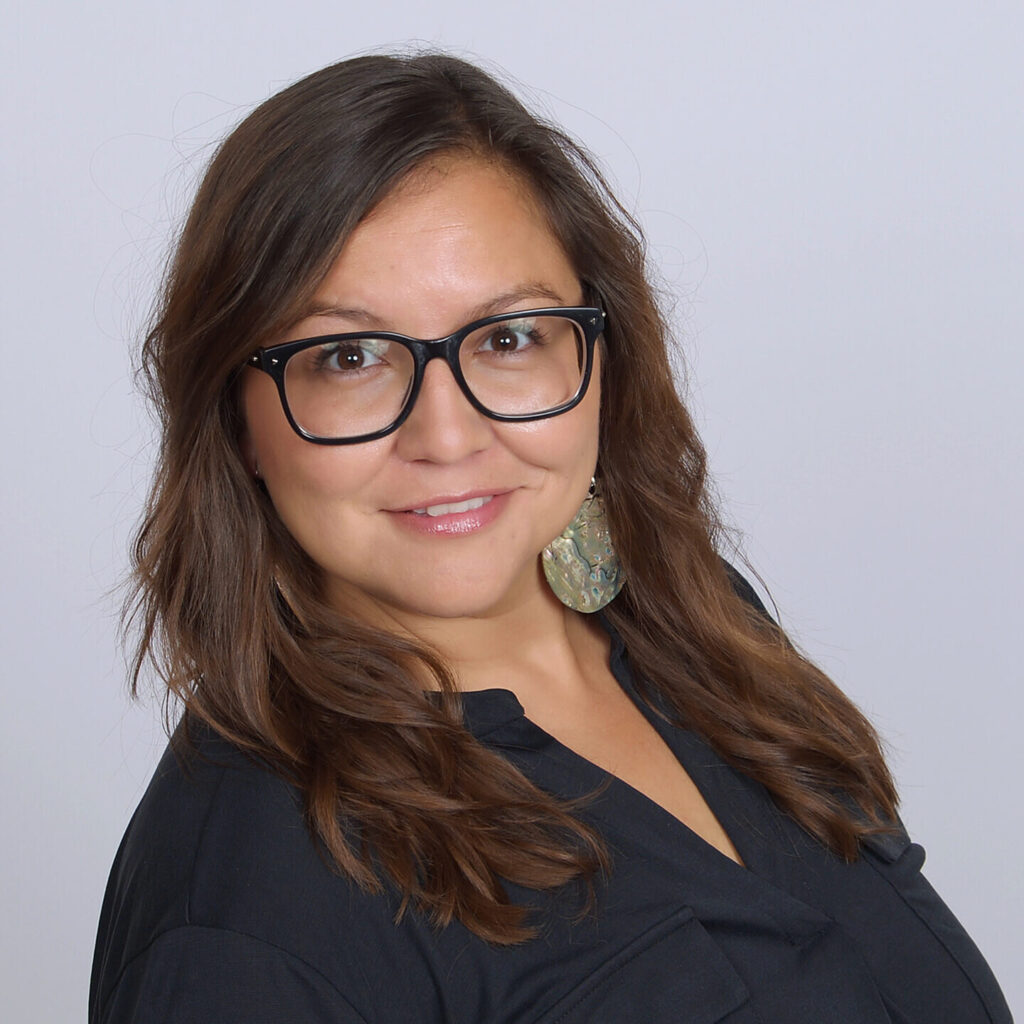
Valerie Segrest is an enrolled member of the Muckleshoot Indian Tribe, works as a Native Nutrition Educator and is the Co-Founder of Tahoma Peak Solutions, a consulting company that specializes in strategic communications and food systems strategies that serve tribal communities. Clancy and her conversation will open your eyes to a beautiful perspective on native food knowledge, the power of nature in our food system, how ancestry can inform our food choices, and so much more. You really won’t want to miss this episode.


About Valerie Segrest
Valerie Segrest, an enrolled member of the Muckleshoot Indian Tribe, works as a Native Nutrition Educator and is the Co-Founder of Tahoma Peak Solutions, a consulting company that specializes in strategic communications and food systems strategies that serve tribal communities. She has a Bachelor of Science in Human Nutrition and Health Sciences from Bastyr University and a Master of Arts in Environment and Community. Ms. Segrest has dedicated her work in the field of Native American Nutrition towards the efforts of the food sovereignty movement rooted in education, awareness and overcoming barriers to accessing traditional foods for tribal communities throughout North America. Ms. Segrest has co-authored several publications including the books “Feeding Seven Generations: A Salish Cookbook” and “Indigenous Home Cooking: Menus Inspired by the Ancestors”.
Valerie aims to inspire and enlighten others about the importance of a nutrient-dense diet through a culturally appropriate, common-sense approach to eating.
Discussion Takeaways
- Valerie sees culture as medicine. Culture and food are one in the same. We are defined and shaped by what we eat. She is exploring generational healing.
- An elder in her community told her that the indigenous population would not suffer from the maladies that they have today, if they had access to the food and medicine that they needed in the past.
- Valerie went to school to bring nutrition and scientific knowledge back to indigenous communities.
- Valerie leads education across the nation about how ancestral knowledge can build a stronger health system.
- Valerie believes that the diet that so many indigenous communities have is a result of foods that have been superimposed on their communities through historical prejudice, government-based food programming, and current barriers to food access.
- Valerie’s ancestral teachings say, “Every time we step into a nature or a certain ecosystem, we become a part of it.” What we do in that space matters. We have the choice to create abundance or scarcity.
- Food sovereignty is our inherent right to shape and define our food system. Every program Valerie implements is incredibly community-driven. Her local community actually voiced that they didn’t need a dietitian to tell them what to eat. They needed someone to address the barriers to accessing healthful foods. So, focusing on food sovereignty seemed like a proper fit because when her community chooses to collectively shape their diet, they are naming the foods that matter to them.
- Food sovereignty is an action. You resolve food insecurity through the act of food sovereignty.
- Valerie focuses on existing food systems to make small shifts to better serve her communities. By doing so, her projects create community-wide habits that actually sustain themselves.
- Our foods are our greatest teachers. In the Pacific Northwest, salmon and huckleberry lifecycles teach us how to be in the world. Born of the earth and buried within to build the next generation.
- Tribal nations are not written into the emergency feeding acts that require the government to provide indigenous populations food during natural disasters or economic disruptions. Additionally, food donations are challenging to attain because regional food system infrastructure isn’t there.
- When we come together for the greater good outside of ourselves, it’s an incredibly powerful experience.
#1 tip to improve access to healthy food
- People should have the right to decide what food is appropriate for them to eat.

Each week on the Food Dignity® Podcast, the Food Dignity® Movement's Clancy Harrison hosts a wide variety of hunger experts and other people making changes on the frontlines. Join us as we dive deep into conversations that will change the way you think about food insecurity.
Listen to our trailer!
Want to learn more about how we might work together?
Fight hidden hunger by becoming a
Food Dignity® Champion and take the HIDDEN HUNGER PLEDGE >
