
Episode 101: What All Dietitians Need to Know About Serving Those Who Are Food Insecure
About the Podcast
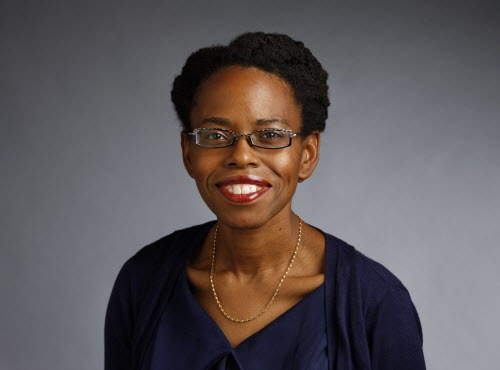
Carol Taylor is a registered dietitian nutritionist and journalist. She currently works for The Dallas Morning News and in home health, primarily with older patients who have diabetes and chronic kidney disease. She helps people live their healthiest lives through facts and not fear. Clancy and Carol speak about how dietitians play a major role in resolving nutritional insecurity.


About Carol Taylor
Carol Taylor, MCN, RDN, LD is a dietitian nutritionist and journalist. She has degrees from the University of Texas at Austin and UT Southwestern. She currently works for The Dallas Morning News and in home health, primarily with older patients who have diabetes and chronic kidney disease. She helps people live their healthiest lives through facts and not fear. She believes good nutrition is not just the foundation for physical health, but also for psychological and economic well-being. By focusing on improving nutrition, people can discover reservoirs of mental and physical energy needed to thrive in all areas of their lives.
Discussion Takeaways
- Carol Taylor is a journalist and registered dietitian nutritionist who does at-home health visits for seniors with diabetes and kidney disease.
- The root causes food access issues in the elderly population include financial struggles (i.e. only living off of social security income, the loss of a decent nest egg because of medical or other emergencies, not having familial finanicial supports, or struggling with poverty throughout a lifetime), transportation, lack of mobility, or no family or friends who can provide for them.
- Dietitians can ask their patients honest and open questions, and need to work with the system their patients live within to get what the resources their patients need.
- Acknowledge and accept that we all have biases. Move through it, so you can do better and ask better questions.
- Don’t sit in your assumptions. Instead, ask questions and create an open dialogue with your patients.
- People are more than they are right now. We are a culmination of our ancestor’s dreams. They influence who we are, where we came from, and where we’re going. Food impacts all of that.
- Dietitians often look into continuing education surrounding disease states, but we can also search for learning opportunities about cultural difference or food security. If you are a dietitian in the Academy of Nutrition and Dietetics, join a Dietetic Practice Group that support learnings on minorities or resource security. You do not need to be any of these things to join.
- When people are hungry, it can be painful and difficult. When they tell you they struggle with this issue, they are giving you something precious. Gently take it, and do something with it.
- Canned and “processed” foods (like nutritional shakes) have lots of vitamins and minerals and also cut down on preparation time and physical ability to prepare it. Some elderly people get tired easily and don’t want to make themselves meal.
- Older people often have an issues with bowel movements and regularity because of their body not working as efficiently as it once did and their medication. Beans are an awesome solution for this issue. They’re a great source of fiber, protein, are versatile, and can fit into so many different eating patterns. For folks worried about sodium, they can be rinse or there are low-sodium varieties.
- So often, seniors rely on soups or frozen meals for their sustenance. These options are easy to make and feasible for people who can’t move quickly or easily anymore. And yet, health professionals rarely recommend people eat these foods because of sodium levels and their own perception of “processed foods”.
- Food resources might be available to seniors, but transportation to get to them needs to be considered as a major barrier. It often takes seniors longer to physically move from one place to the next. Or, they don’t have the caretakers to get them to the food resources in a timely manner. All these issues can contribute to food insecurity in this population.
#1 tip to improve access to healthy food
- As dietitians and educators, we often want to jump in and say, “Do this.” But it’s really about taking a moment and listening.


Each week on the Food Dignity® Podcast, the Food Dignity® Movement's Clancy Harrison hosts a wide variety of hunger experts and other people making changes on the frontlines. Join us as we dive deep into conversations that will change the way you think about food insecurity.
Listen to our trailer!
Want to learn more about how we might work together?
Fight hidden hunger by becoming a
Food Dignity® Champion and take the HIDDEN HUNGER PLEDGE >
